If you’re in the market for excavators for sale, making the right choice can save time, money and a great deal of frustration. The right machine will match the particular demands of your project, from digging depth and reach to stability and serviceability. This guide provides expert insight into the essential features and specifications to consider when evaluating new, used mini excavator options or larger units for sale.
Choosing the right excavator starts with a clear understanding of your project requirements. From urban trenching to site clearance and utilities installation, different tasks demand different capabilities. A thoughtful approach to specifications will help you narrow down choices efficiently and avoid over-specifying or underperforming machinery.
Key features and specs to assess
-
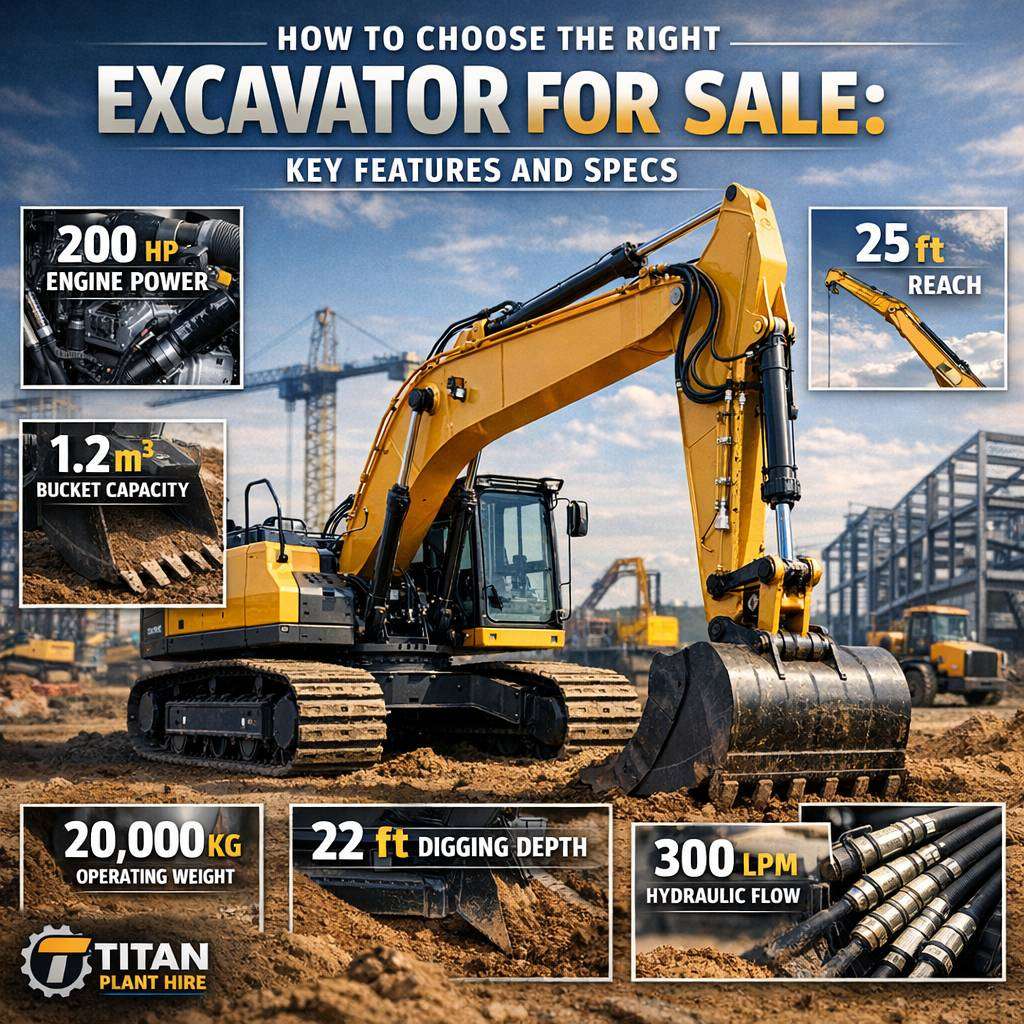
Operating weight and power: The operating weight of an excavator influences stability, digging force, and transport costs. For smaller sites or confined spaces, a light-weight machine with a compact footprint is advantageous, particularly when considering a used mini excavator. For larger jobs, higher operating weights typically translate to greater breakout force and depth capacity.
-
Digging depth and reach: The maximum digging depth and the vertical and horizontal reach determine whether the excavator can access the work area and perform the required tasks from a safe distance. If you anticipate frequent trenching or foundation work, prioritise models with deeper digging capabilities and extended reach.
-
Digging and lifting capacity: The bucket breakout force, stick breakout force, and the overall lifting capacity dictate performance with attachments and load handling. A machine with strong hydraulic power and precise control will deliver more efficient trenching, backfilling, and material movement on site.
-
Hydraulic system and flow rate: Modern excavators typically employ variable displacement pumps and selectable flow for auxiliary hydraulics. A higher flow rate supports heavier attachments such as hydraulic breakers or augers. If you plan to use multiple attachments, ensure the hydraulic system can sustain the required flow without compromising main cycle times.
-
Boom configuration and swing: Long-reach boom configurations enable you to work further from the machine axis, which can improve productivity on larger sites. Swing speed affects the ability to reposition quickly between tasks—useful on busy sites where multiple operations occur in close proximity.
-
Undercarriage and mobility: For stability and traction on uneven ground, the undercarriage design matters. Steel tracks provide durability on rough terrain, while rubber tracks protect finished surfaces in urban environments. Track width, width of the machine in transport mode, and the ease of tracking between locations are practical considerations on multi-site projects.
-
Cab comfort and controls: Operator comfort translates into longer, safer days on site and fewer fatigue-related risks. Look for adjustable seating, climate control, ergonomic joysticks, intuitive control layouts, and good visibility. Advanced models may offer Bluetooth audio, sundry storage, and simplified maintenance dashboards.
-
Telemetry and diagnostics: Telematics provide real-time data on location, utilisation, and health of the machine. For a fleet buyer, this data simplifies maintenance scheduling, fuel consumption monitoring, and resale evaluations. For older or second hand excavators, consider the availability of service history and on-going access to diagnostic tools.
-
Attachments and compatibility: The versatility of an excavator with compatible attachments—such as hydraulic breakers, grapples, vibro plates, tree shears, and augers—greatly expands its usefulness. Ensure the machine and its auxiliary hydraulic system can support your attachment lineup.
-
Emissions and efficiency: In the UK, compliance with Stage IV/VI emissions standards influences fuel efficiency, maintenance requirements, and running costs. Consider engines with efficient hydraulic systems, auto-idle features, and efficient power modes to manage fuel spend without compromising performance.
-
Maintenance accessibility: Routine checks, filter access, and ease of reaching hydraulic connections contribute to lower downtime and cheaper ownership. A robust service menu and readily available spare parts are essential when shopping for used excavators or second hand excavators.
Operating weight and power: The operating weight of an excavator influences stability, digging force, and transport costs. For smaller sites or confined spaces, a light-weight machine with a compact footprint is advantageous, particularly when considering a used mini excavator. For larger jobs, higher operating weights typically translate to greater breakout force and depth capacity.
Digging depth and reach: The maximum digging depth and the vertical and horizontal reach determine whether the excavator can access the work area and perform the required tasks from a safe distance. If you anticipate frequent trenching or foundation work, prioritise models with deeper digging capabilities and extended reach.
Digging and lifting capacity: The bucket breakout force, stick breakout force, and the overall lifting capacity dictate performance with attachments and load handling. A machine with strong hydraulic power and precise control will deliver more efficient trenching, backfilling, and material movement on site.
Hydraulic system and flow rate: Modern excavators typically employ variable displacement pumps and selectable flow for auxiliary hydraulics. A higher flow rate supports heavier attachments such as hydraulic breakers or augers. If you plan to use multiple attachments, ensure the hydraulic system can sustain the required flow without compromising main cycle times.
Boom configuration and swing: Long-reach boom configurations enable you to work further from the machine axis, which can improve productivity on larger sites. Swing speed affects the ability to reposition quickly between tasks—useful on busy sites where multiple operations occur in close proximity.
Undercarriage and mobility: For stability and traction on uneven ground, the undercarriage design matters. Steel tracks provide durability on rough terrain, while rubber tracks protect finished surfaces in urban environments. Track width, width of the machine in transport mode, and the ease of tracking between locations are practical considerations on multi-site projects.
Cab comfort and controls: Operator comfort translates into longer, safer days on site and fewer fatigue-related risks. Look for adjustable seating, climate control, ergonomic joysticks, intuitive control layouts, and good visibility. Advanced models may offer Bluetooth audio, sundry storage, and simplified maintenance dashboards.
Telemetry and diagnostics: Telematics provide real-time data on location, utilisation, and health of the machine. For a fleet buyer, this data simplifies maintenance scheduling, fuel consumption monitoring, and resale evaluations. For older or second hand excavators, consider the availability of service history and on-going access to diagnostic tools.
Attachments and compatibility: The versatility of an excavator with compatible attachments—such as hydraulic breakers, grapples, vibro plates, tree shears, and augers—greatly expands its usefulness. Ensure the machine and its auxiliary hydraulic system can support your attachment lineup.
Emissions and efficiency: In the UK, compliance with Stage IV/VI emissions standards influences fuel efficiency, maintenance requirements, and running costs. Consider engines with efficient hydraulic systems, auto-idle features, and efficient power modes to manage fuel spend without compromising performance.
Maintenance accessibility: Routine checks, filter access, and ease of reaching hydraulic connections contribute to lower downtime and cheaper ownership. A robust service menu and readily available spare parts are essential when shopping for used excavators or second hand excavators.
Used and second-hand considerations
-
History and provenance: When shopping for used mini excavator or second hand excavators, obtain a full service history, prior ownership records, and evidence of any major repairs. A well-documented history reduces the risk of hidden faults and provides confidence in performance.
-
Visual inspection: Inspect pins, bushings, tracks, undercarriage wear, turbocharger, hydraulic lines, and the bucket linkage for signs of heavy use, leaks, or irregular movement. Look for oil leaks around the engine and hydraulic system, and test with a cold start to assess startup reliability.
-
Operational testing: If possible, perform a test run to evaluate hydraulic smoothness, breakout force, and ease of operation. Listen for unusual noises, check for excess play in the bucket controls, and ensure the machine cycles cleanly through several operations.
-
Servicing network and parts availability: Confirm that certified service providers and parts suppliers are accessible in your region. This is especially important for second hand excavators where specialised components may be harder to source.
-
Depreciation and resale value: Even when buying used, consider expected depreciation based on hours, age, and overall condition. A well-maintained unit with lower hours and solid service history will retain value better for buyers of excavators for sale in the future.
History and provenance: When shopping for used mini excavator or second hand excavators, obtain a full service history, prior ownership records, and evidence of any major repairs. A well-documented history reduces the risk of hidden faults and provides confidence in performance.
Visual inspection: Inspect pins, bushings, tracks, undercarriage wear, turbocharger, hydraulic lines, and the bucket linkage for signs of heavy use, leaks, or irregular movement. Look for oil leaks around the engine and hydraulic system, and test with a cold start to assess startup reliability.
Operational testing: If possible, perform a test run to evaluate hydraulic smoothness, breakout force, and ease of operation. Listen for unusual noises, check for excess play in the bucket controls, and ensure the machine cycles cleanly through several operations.
Servicing network and parts availability: Confirm that certified service providers and parts suppliers are accessible in your region. This is especially important for second hand excavators where specialised components may be harder to source.
Depreciation and resale value: Even when buying used, consider expected depreciation based on hours, age, and overall condition. A well-maintained unit with lower hours and solid service history will retain value better for buyers of excavators for sale in the future.
Buying tips and practical steps
-
Define project-specific requirements: List the tasks, required digging depth, reach, lift capacity, and attachment needs before evaluating models.
-
Compare multiple candidates: Gather quotes and specifications for several machines with comparable capabilities to ensure you’re getting the best value.
-
Verify attachments compatibility: Confirm that the machine can support your intended attachments and that the hydraulic system can meet flow requirements.
-
Check the warranty and service plan: New excavators come with manufacturer warranties, while some dealers offer extended service plans on used machines. A robust warranty can mitigate risk during the initial period.
-
Consider total cost of ownership: Include fuel, maintenance, parts, insurance, transport, and any licence or permit costs when budgeting for excavators for sale.
Define project-specific requirements: List the tasks, required digging depth, reach, lift capacity, and attachment needs before evaluating models.
Compare multiple candidates: Gather quotes and specifications for several machines with comparable capabilities to ensure you’re getting the best value.
Verify attachments compatibility: Confirm that the machine can support your intended attachments and that the hydraulic system can meet flow requirements.
Check the warranty and service plan: New excavators come with manufacturer warranties, while some dealers offer extended service plans on used machines. A robust warranty can mitigate risk during the initial period.
Consider total cost of ownership: Include fuel, maintenance, parts, insurance, transport, and any licence or permit costs when budgeting for excavators for sale.
Whether you are evaluating a compact used mini excavator or a larger machine for a demanding commercial site, aligning specifications with your operational needs is the surest path to a smart investment. By focusing on digging depth and reach, hydraulic capability, undercarriage durability, and the availability of reliable service, you can confidently select second hand excavators or new units that deliver consistent, cost-effective performance on site.
Discover reliable excavators for sale that boost productivity on any site. Our range combines durability, efficiency, and operator comfort to tackle earthmoving tasks with ease. With flexible purchasing options and ongoing maintenance support, you’ll invest in machines built to last. For more details, visit https://www.sjhallplant.com to explore our inventory and pricing.
Discover reliable excavators for sale that boost productivity on any site. Our wide selection includes durable, fuel-efficient models with advanced hydraulics and operator comfort. Whether you need compact or large-scale machines, we’ve got you covered. https://www.tractorhouse.com/listings/excavators-for-sale-in-new-york/?Category=1031&State=NEW%20YORK